A building certifier is a licensed professional who checks your building plans against the law, issues your building approval, inspects the work at key stages, and signs the final certificate once it complies. In Queensland, most building work needs a certifier’s approval before the first slab goes down. Not the council in most cases. A private certifier.
Most people assume the council signs off their build. For the average home, shed, carport or pool in Queensland, a private building certifier does, and most owners never speak to the council at all.
That one fact changes how you plan a job, so it is worth understanding exactly what a certifier is and where they fit.
What Is a Building Certifier?
A building certifier is licensed by the Queensland Building and Construction Commission (QBCC) to assess building work against the Building Act 1975 (Qld), the National Construction Code and the Queensland Development Code.
Certifiers hold a licence at Level 1, 2 or 3. A Level 3 certifier covers Class 1 homes and Class 10 structures like sheds, carports, pools and fences, which is most residential work. To act as a private certifier, they also need a private certification endorsement and professional indemnity insurance on top of the licence.
Essentially, a certifier is the person the law trusts to say your build meets the code.
What Does a Building Certifier Actually Do?
At its core, a building certifier looks after four key jobs in the building process:
- Assess your plans. They check your drawings, siting and engineering against the code and the planning rules before any work starts.
- Issue your building approval. Once the paperwork stacks up, they grant the approval that lets you legally begin.
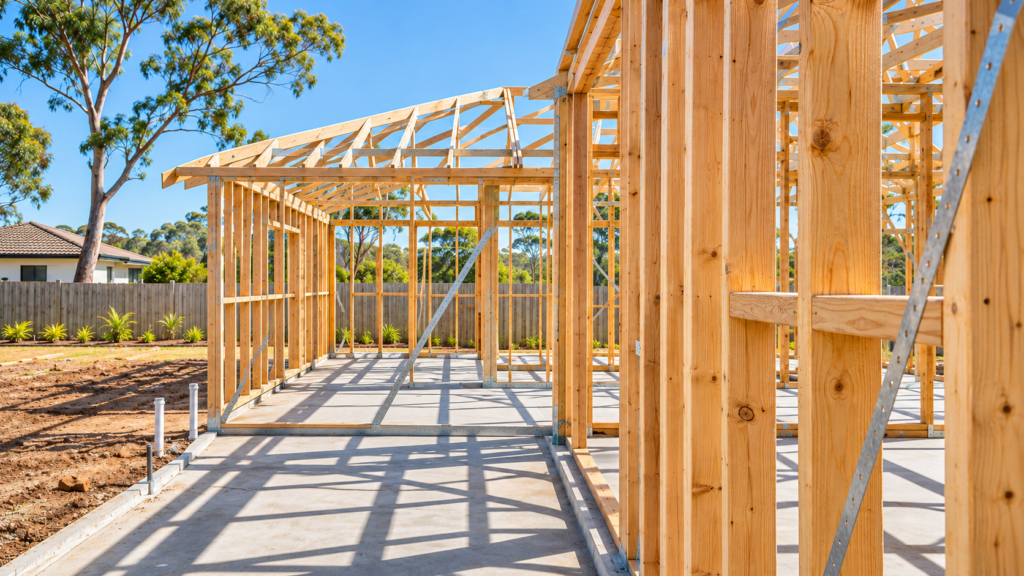
- Inspect at key stages. For a house that usually means footings, slab, frame and final. They attend, or appoint a competent inspector, and every result is reviewed and signed off under the certifier’s own licence.
- Certify the finished work. When it complies, they issue the final certificate: a final inspection certificate for a house or shed, a certificate of occupancy for other classes of building.
Miss one of those stages and the approval can stall, which is why the certifier is involved from the plans right through to handover.
When Do You Legally Need a Building Certifier in QLD?
Most building work in Queensland needs building approval, and that approval comes from a certifier. New homes, extensions, decks, sheds, carports, patios and pools almost always qualify. And if you’ve already built without approval, a retrospective approval brings it back into line.
A narrow band of minor work is exempt, and the thresholds change by structure and by council. If you are not sure whether your project needs approval, that is the question to ask a certifier first, before you spend money on plans.
What a Certifier Can’t Do
This is where owners get caught out. A certifier assesses your build. They do not design it, draft your plans, draw your site plan or manage the project. Preparing your documents and then approving them would be a conflict of interest, so the law keeps the two apart.
🚨 PLEASE NOTE: a certifier can’t prepare your documents.
We can point you to what you need and where to get it. We can’t hand you the drawings. You (or your draftsperson) supply the plans and site plan once they’ve been prepared, and we assess them against the requirements. Keeping those two roles separate is what keeps the approval independent.
One more limit worth knowing: once you engage a certifier, the law lets them issue a single formal request for more information. So the more complete your lodgement, the faster you are approved, and the less likely you are to lose days to a back-and-forth.
How to Engage a Building Certifier
- Get a quote. A good certifier gives you free preliminary guidance on what your job will need.
- Submit your documents. Plans, site plan, engineering and owner details go in for assessment.
- Get approved, then built. They assess, approve, inspect and certify through to the final sign-off.
Rapid’s certifiers are licensed in Queensland and handle Class 1 and Class 10 work, with a quote back in 24 hours and approval in a day once your documents are complete.
Frequently Asked Questions
Is a building certifier the same as a building inspector?
No. The certifier assesses and approves your build and carries the licence. Inspections are part of their job, and they review and sign off every inspection result, even when a competent inspector attends on their behalf.
Can a certifier refuse to approve my build?
Yes. If the plans or the work don’t meet the code, they can’t approve it. A good certifier tells you what’s missing early so you can fix it rather than find out at the final inspection.
Do I choose the certifier, or does my builder?
Either, but the choice is yours to make. You are the one engaging them, so you can pick your own certifier rather than inherit your builder’s.
How much does a building certifier cost?
It depends on the structure and the scope. The fastest way to a real number is a free quote on your specific job.
Is a private certifier legally recognised in QLD?
Yes. Private certification is set up under the Building Act 1975 (Qld). A private certifier’s building approval has the same legal standing as one issued through the council.
🚨 Need a building certifier?
Talk to a licensed Queensland certifier and get a free quote. A quote back in 24 hours, and approval in a day once your documents are complete.